A Designer’s Guide to Linen: Texture, Care, and Timeless Interiors
Explore the essential qualities of linen as a luxurious yet practical textile, with insights into fiber properties, weave, and how linen informs contemporary interior design. Learn practical care tips and design applications across bedrooms and living spaces from trusted brands.
Linen has long held a place in the pantheon of interior textiles, not merely for its look but for its temperament. It is a fabric that ages into character, a creature of heat and breath rather than a passive surface. Its fibers—strong, natural, and slightly rebellious—inform spaces with a tactility that feels both grounded and refined. In the milieu of Beverly Hills-inspired interiors, linen is less a product than a philosophy: an invitation to texture, an insistence on durability, and a nod to sustainable, artisanal craft.
To understand linen is to consider it in three acts: fiber properties, weave and finish, and the way light and air move through it. The flax plant—the humble source of linen—translates to fabrics that store and shed heat with a quiet ease. Linen’s breathability and moisture management make it a natural ally for temperate climates or rooms that crave a calm, cool ambiance. We weave linen into bed sheets, duvets, table linens, and decorative layers; each application reveals a different facet of its soul.
Fiber, Texture, and the Designer’s Palette
Linen’s fiber length and morphology underpin its texture. When linen is stone-washed, as many premium lines insist, the fabric softens rapidly while maintaining a crisp, wrinkled-chic texture that reads as intentionally lived-in rather than sloppy. The natural slubs—those tiny irregularities in the yarn—are not flaws but a signature, a whisper of handcraft that elevates a room’s narrative beyond sterile perfection. In a Beverly Hills-inspired setting, linen acts as the counterpoint to high-gloss surfaces: it tames herons of marble and brass, introduces an airy counterpoint to velvet, and anchors metallic accents with a grounded, matte finish.
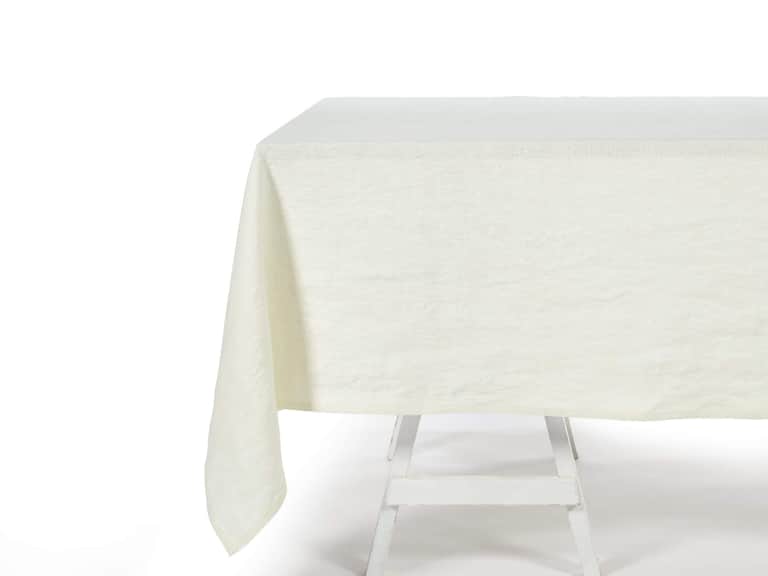
Designers often pair linen with both organic and structured elements. For example, a Hudson Tablecloth from Libeco anchors a dining room with a stonewashed, Belgian-linen character that’s simultaneously crisp and forgiving. On a grand table, such a cloth communicates hospitality and restraint—luxury not through ostentation but through the quiet certainty of good fabric that ages into its own story.
Weave, Weight, and The Art of Layering Linen
Weave density and weight determine linen’s behavior under different conditions. A lighter canvas percale in a duvet cover offers a cool, breathable surface with a touch of linen’s grain; a heavier damask or twill provides durability for daily use or hospitality environments. The trick to layering lies in understanding weight distribution and the way textiles interact with light. Linen’s natural openness makes it ideal for drapery and throw blankets, where it drifts with a soft, wind-swept effect, echoing architectural lines while remaining quietly tactile.
Consider a living room that borrows from the calm of a linen duvet cover but translates it into upholstery and cushions. A linen sofa throw or a set of flax linen pillows can soften the room’s geometry, akin to how a well-cut blazer can soften a rigid silhouette. In this sense, linen informs the interior language—textured, breathable, and timeless.
Design Applications: From Bedrooms to Dining Rooms
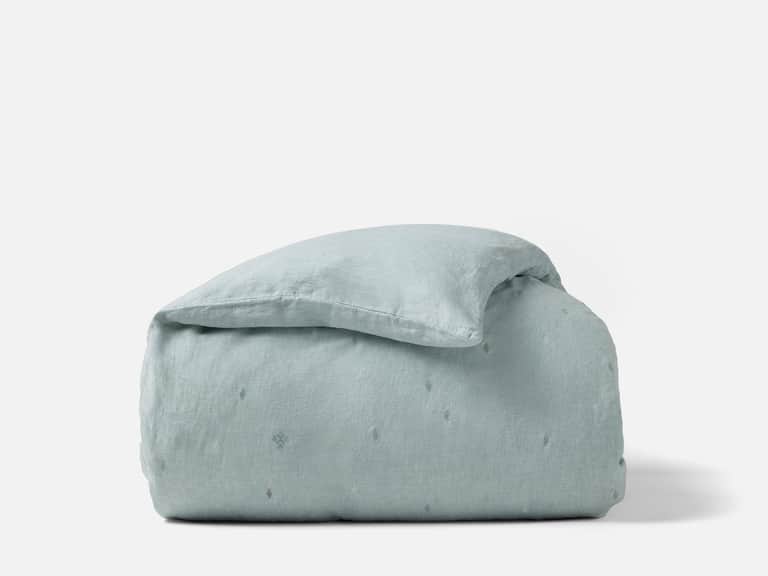
Linen’s versatility makes it an evergreen choice across spaces. In bedrooms, consider a duvet cover in 100% linen with a crisp, simple back to balance embroidered fronts. The texture grounds the airiness of silk sheets or the subtle sheen of percale; it also pairs seamlessly with wool or cashmere throws for seasonal layering. In dining rooms, linen tablecloths—like Libeco’s Hudson variant—offer an immediate sense of cadence to a room’s palette, while linen napkins carry a tactile warmth that elevates the table’s formality without sacrificing comfort.
Notable interior directions that align with linen’s ethos include architectural minimalism with textural vocabulary, historical archives of luxury interiors, and care-and-maintenance tutorials that empower readers to manage high-end textiles with confidence. The goal is to create interiors that feel curated, not contrived: spaces that invite daily life to unfold with quiet grandeur.
Three Time-Frame Profiles: A Linen Dialogue
- Mid-20th Century Glamour (The Studio Era) — The Beverly Hills interior mythos—glamour, innovation, cinema’s tactile luxury—feeds linen’s image as a fabric of refined lifestyle. Linen tablecloths and bed coverings read as modern heritage here, linking to film-set elegance and studio-era design sensibilities.
- Contemporary European Craft (Postwar to Present) — Linen’s revival among European mills (Libeco, Coyuchi, Bovi) is a testament to sustainable luxury. The era emphasizes artisanal processes and ethical sourcing, with linen’s durability and environmental footprint foregrounded as design considerations.
- Digital Age Rituals (Modern Home Aesthetics) — In the present, linen enters interiors as a “soft technology”: breathable, antimicrobial tendencies (natural properties) and the ease of care. It translates well to editorial blogs, curated shopping experiences, and educational hubs that guide readers in selecting and maintaining linen across spaces.
Care Rituals: Practical Wisdom for Longevity
A linen care routine should respect the fiber’s vitality. Wash in warm water, avoid chlorine bleach, and tumble dry on a low setting. When ironing, aim for a warm, not hot, heat to avoid scorching the delicate fibers. A line-dry or gentle tumble-dry approach preserves the drape and texture, maintaining linen’s natural character across seasons. A well-loved linen piece—whether a tablecloth or a duvet cover—improves with each washing, revealing a softer hand while retaining its crisp structure.
Beyond laundry, consider storage: keep linen in a cool, dry place, and avoid tight folds that could cause permanent creasing. Linen’s subtle wrinkles are part of its charm; the goal is to reduce out-of-control creasing while maintaining a tidy, lived-in feel. The result is a space that breathes—a design choice that aligns with the clean, editorial tone of a Beverly Hills-inspired interior, where textures do the speaking and color remains calm and restrained.
Recommended Reads
- “A Brief History of Linen” — a narrative on linen’s journey from ancient fiber to contemporary luxury.
- “Texture and Tone: Linen in Interior Design” — exploration of linen’s role in color theory and texture layering.
- “Care Cycles” — a practical guide to laundering linen with a focus on sustainability and longevity.
Glossary and Resources
A designer’s toolkit for linen begins with a clear vocabulary. Terms such as linen, flax, twill, damask, stonewashed, and percale describe textures, weaves, and surfaces. A well-constructed glossary supports readers’ confidence when shopping or researching linen. Consider providing a small, accessible glossary within a sidebar, complemented by a semantic archive of notable linen houses and designers who continue to shape the textile’s story.
In the Beverly Hills context, the story of linen extends beyond fabrics to the methods of care, archival traditions, and guest-ready hospitality. The connections between textiles and lifestyle—care tips, material provenance, and the design vocabulary—reflect a sophisticated, non-commercial approach to knowledge. The aim is to cultivate a resource that designers, students, and curious homeowners can rely on for accurate, enduring guidance.
Illustrative Profiles: Three Designers from Different Eras
The following sketches highlight how linen has informed design across decades and geographies, from early modern to contemporary practice:
Mid-20th Century: Lucien Le Camus, Parisian-Film Studio Aesthetic
Le Camus embodies the era’s polished, restrained glamour. His approach to textiles blurred the lines between wardrobe and interior—linen as a symbol of frame-worthy calm. A tablecloth or drape, chosen with deliberate simplicity, speaks to an era’s appetite for quiet luxury and impeccable construction.
Late 20th Century: Anna Wyeth, San Francisco Bay Area Textile Historian
Wyeth’s research bridged craft and academia, tracing linen’s lineage from rural looms to museum galleries. Her work illuminated how linen’s provenance—Belgian labels, French flax, Italian mills—can anchor a design’s authenticity, turning textiles into a narrative device for interiors that feel storied rather than manufactured.
Contemporary: Leila Costa, Lisbon-based Designer of Quiet Luxury
Costa’s practice foregrounds linen as a living material: stonewashed surfaces, sustainable sourcing, and careful layering. Her interiors favor tactile textures—linen throws, bed linens, and table linens—that invite daily use, aging gracefully with a quiet elegance that aligns with today’s demand for responsibly crafted luxury.
Product Spotlight
A tangible illustration of linen’s enduring appeal is Libeco’s Hudson Tablecloth, a 100% linen piece with a stonewashed finish. It embodies the marriage of heritage craft and modern practicality, designed for everyday use and for special occasions alike. The Belgian Linen label signals a lineage of quality, and the tablecloth’s texture invites conversation as much as it invites gatherings.

Hudson Tablecloth
Libeco — 100% linen, stonewashed finish, Belgian Linen label. Elegant, durable, and adaptable for everyday dining or refined entertaining.
$340.00
Note: Images depict the Hudson Tablecloth in Oyster and Cinnamon variants to illustrate the linen’s color versatility. Availability may vary by retailer.
Aesthetic and Editorial Notes
The Linen conversation in a Beverly Hills context is an invitation to a refined, understated luxury. It’s about texture as a design language, a belief that fibers carry a memory through wear and wash. The textiles become a lens through which architecture, light, and color converse. An interior doesn’t simply contain linen; linen articulates the room’s values—sustainability, craftsmanship, restraint, and a reverence for material truth.
This article aims to offer a designer’s approach: a balance of historical awareness, practical know-how, and stylistic guidance that can be adopted by readers with varied levels of experience. The result is a resource that reads like a New Yorker profile—sharp, insightful, and quietly intimate—yet remains accessible to homeowners seeking to craft interiors that feel both luxurious and livable.